Top Goa Tours | Experience The True Goa

Author name: Clyde Tellis

View over the bow of a yacht towards a green headland, with guests sitting at the front
Goa Beaches & Water Adventures

Boat Rides in Goa: Types of Boat Trips, Where to Go and Which Experience to Choose

Goa Travel Guide Boat Rides in Goa: Types of Boat Trips, Where to Go and Which Experience to Choose By Clyde Tellis, Top Goa Tours Goa is best known for its beaches, but some of its most interesting experiences can be discovered from the water. From peaceful backwater journeys through mangroves to dolphin spotting excursions, fishing trips, island adventures and lively river cruises, there are plenty of ways to explore Goa by boat. Whether you’re travelling with children, planning a romantic evening, looking for an adventure or organising an outing with friends, there’s a boat experience to suit different interests and budgets. However, not all boat rides in Goa are the same. Some take you along calm rivers and backwaters, while others venture into the open sea. The type of boat, departure location, duration, season and overall experience can vary considerably. This guide explains the different types of boat rides available in Goa, where you can find them, what they cost, when to go and how to choose the right experience. In this guide The two main types of boat trips Types of boats you will find Where to go for boat rides Shared vs private boat trips How much boat rides cost Best time for boat rides How long boat trips take Best boat rides for families What to carry Do you need to swim? Choosing a reliable operator Safety checks before boarding Why plan with Top Goa Tours FAQs 1. Understanding the Two Main Types of Boat Trips in Goa Broadly, boat trips in Goa can be divided into two categories: river trips and sea trips. Understanding the difference is the best starting point when deciding what to book. River Boat Trips in Goa River trips are generally calmer than open-sea excursions and suit people who want a relaxed experience on the water. They are particularly popular with families with children, couples and visitors who want sightseeing, nature or entertainment without venturing into open water. River cruises: scenic views of Goa’s rivers, waterfront settlements and surrounding landscapes. Backwater boat rides: quieter waterways, winding creeks and traditional riverside communities. Mangrove boat rides: mangrove-lined channels with birds and other estuarine wildlife. See our Mangrove Boat Ride. Crocodile spotting: selected waterways where estuarine crocodiles may be sighted in their natural habitat. Birdwatching trips: resident and migratory birds with a local guide or naturalist. See our mangrove birding experience. Sunset cruises: an evening on the river with changing colours in the sky. Dinner and entertainment cruises: music, dance performances, food and entertainment aboard larger passenger boats. Private river charters: hire a boat exclusively for your family, friends or group. The Mandovi River has the widest variety of boat options in Goa, ranging from basic motorboats to larger entertainment vessels and private yachts. Sea Boat Trips in Goa Sea trips are ideal for people looking for adventure, marine wildlife encounters and open-water experiences. Unlike river journeys, sea excursions can involve choppier water and greater boat movement. If you are prone to seasickness or uncomfortable with unstable boat conditions, consider this before booking. Dolphin spotting: head out into the Arabian Sea to look for dolphins in their natural environment. Grande Island excursions: the waters around Grande Island for snorkeling and scuba diving. Snorkeling trips: explore underwater environments with equipment and supervision. Scuba diving: experience Goa’s underwater environment with a diving operator. Sea fishing: time offshore with local boatmen or professional anglers. Marine birdwatching: seabirds and other marine birdlife. Coastal sightseeing: beaches and rocky headlands seen from the water. Sea swimming: some private excursions include time in the water, subject to conditions and operator arrangements. Water sports: speedboat rides and other motorized water experiences. Which should you choose? If you want adventure, marine activities or open-water exploration, consider a sea trip. If you prefer calmer conditions, sightseeing, wildlife, music or a relaxed outing, a river trip may be more suitable. Always consider the weather, sea conditions and your own comfort before choosing an open-water excursion. 2. Different Types of Boats You Will Find in Goa Choosing the right boat is just as important as choosing the destination. Goa has everything from small locally operated motorboats to premium yachts and large entertainment vessels. Here are the main types you are likely to encounter. Traditional and Locally Operated Motorboats These smaller motorized boats are commonly used for backwater and nature excursions. Some have a roof or shaded seating area, while others are open. They are particularly suitable for birdwatching, mangrove exploration and crocodile spotting. If you want a quiet and simple experience in Goa’s backwaters, these boats can be a good option. Small Motorboats and Speedboats Smaller motorboats are commonly used for water sports and short joyrides. Most are open boats without a roof or shade, designed for quick, fun experiences rather than long sightseeing journeys. A typical joyride may last approximately 15 to 20 minutes. They suit people looking for a short burst of excitement on the water. Passenger Boats for Shared Cruises These are larger passenger vessels used for shared sightseeing and entertainment cruises. Many have two decks, while some have three. They are generally built from metal or fiberglass and can carry larger groups. Depending on the vessel, facilities may include: Music systems and speakers Dance floors Decorative lighting Seating and dining arrangements Entertainment areas Upper decks with open views These boats are particularly popular for sunset cruises, dinner cruises, parties and group gatherings. Private Yachts Private yachts offer a more premium and exclusive boating experience. They generally have better interiors, aesthetics and onboard facilities, making them suitable for couples, families and smaller private groups. Depending on the vessel, capacities range from around 6 guests to 25 or 30 guests. Private yachts are particularly suitable for: Romantic sunset outings Anniversaries and special occasions Family experiences Private celebrations Photography Relaxed and exclusive cruising Explore our private option, the Sunset Yacht Cruise. Large Party and Entertainment Boats For larger celebrations, Goa also has much bigger passenger vessels designed for parties and group events. They can
Diver swimming above a rocky coral reef in clear blue water
Goan Food, Cafes & Culinary Trails

Scuba Diving in Goa: The Ultimate Guide Before You Book

Scuba Diving in Goa: The Ultimate Guide Before You Book What you should know about prices, safety, training, dive sites, equipment and the real difference between a ₹2,000 package and a professional scuba experience The short version Budget combo packages are commonly advertised at about ₹1,500 to ₹2,500 per person, with scuba as one short add-on among several water sports. A professional beginner experience is ₹6,000 + GST = ₹7,000 per person, with about an hour of pool training, one open-water dive and a professional instructor. At Grand Island, beginner dives typically reach around 8 to 12 metres, not a metre or two below the surface. Which to choose depends on your priority: lowest cost and many activities in a day, or actually experiencing scuba diving. Table of Contents What is being sold as scuba diving in Goa? What does the popular budget scuba package actually look like? What does a proper beginner scuba experience look like? Why does equalisation matter? What if you are scared? Do you need to know how to swim? How deep do you actually go? How long do you actually stay underwater? Beginner diver vs certified fun diver Where do you actually go scuba diving in Goa? What about underwater visibility? What marine life can you see? What equipment do you get? How crowded is the professional dive boat? What does the instructor actually do during the dive? What happens if the weather changes? What about underwater photography? What does professional scuba diving in Goa cost? ₹2,000 vs ₹7,000: what are you actually comparing? Which scuba diving experience should you choose? 15 questions to ask before booking FAQ Scuba diving is one of those experiences that looks deceptively simple when you see it advertised online. You search for scuba diving in Goa and you may find packages for ₹1,500, ₹1,800 or ₹2,000 that appear to include almost everything imaginable. Scuba diving. Underwater photography. Parasailing. Jet ski. Banana boat. Bumper boat. Speed boat. Dolphin spotting. Sightseeing. Lunch. Snacks. All in one day. Then you come across a professional scuba experience costing ₹6,000 plus GST, or ₹7,000 per person. Naturally, the question is: Why would anyone pay almost four times as much? The answer isn’t simply that one is “premium” and the other is “cheap”. The two products can be fundamentally different experiences. This guide is designed to help you understand what you are actually buying before you book. We are not here to tell you that everyone needs to spend ₹7,000 on scuba diving. If your priority is fitting as many activities as possible into one inexpensive day, a combination package may suit your budget. But if your priority is to actually experience scuba diving, it is important to understand what a professionally operated dive involves and why it costs more. First, understand what is being sold as “scuba diving” in Goa One of the most popular products you will encounter in Goa is the Scuba Plus Water Sports Combo. It is commonly advertised at around ₹1,500 to ₹2,500 per person, depending on the operator and package. The attraction is obvious. For that price, you may be offered: Scuba diving Underwater photos and videos Parasailing Jet ski Banana boat Bumper boat Speed boat Dolphin spotting Sightseeing Lunch Snacks Pickup and drop from North Goa On paper, it sounds almost too good to be true. And this is where you need to understand the difference between the number of activities included and the amount of time you actually spend experiencing each activity. What does the popular budget scuba package actually look like? The typical day starts around 8 AM and can finish around 4 or 4:30 PM. That sounds like a full day of activities. In reality, much of that time can be spent travelling, waiting for your turn, transferring between activities and sitting on the boat while other guests participate. The boat may carry around 30 to 35 people. You are not necessarily doing each activity continuously. You wait while other people have their turn, then move to the next activity. The water sports themselves can be extremely short. Individual rides such as the jet ski, banana boat or bumper boat may last around 10 to 15 seconds. The scuba component can be even more revealing. You may spend the entire day on the trip but get only around 10 minutes of actual underwater time. That is a very different proposition from spending several hours around a dedicated dive operation and having a proper introductory dive. What happens during the scuba part of the budget package? In the mass-market model we have observed, there is no proper pool training before the sea dive. You are taken to the water, given a short introduction and then taken underwater. If you are nervous, have difficulty equalising your ears or simply don’t feel comfortable, there is very little time available to work through the problem. The underwater portion can be around 5 to 8 minutes, and the experience can be extremely shallow, around 1 to 2 metres. At that depth, you are not really getting the same experience as exploring a dive site at meaningful depth. This distinction matters. Being put underwater with scuba equipment and actually learning to dive are not necessarily the same experience. A real photo from the mass-market Scuba Plus Water Sports Combo, not the professional experience described in this guide. Why do you sometimes see so many fish in the photographs? There is another difference worth understanding. Some mass-market experiences use fish feed or bait to attract fish close to the divers so that they appear in photographs and videos. The resulting photographs can look exciting. But the experience is being created partly by changing the animals’ behaviour. A professionally operated dive should not need to manufacture the encounter. At the professional operation we recommend, no bait or feed is put into the water to attract marine life. Whatever you see is what is naturally there. The instructor or divemaster may capture photographs

Map graphic titled Where Should You Stay in Goa, showing recommended areas along the coast
Goan Food, Cafes & Culinary Trails

Where Should You Stay in Goa? A Local Guide for First-Time Visitors (2026)

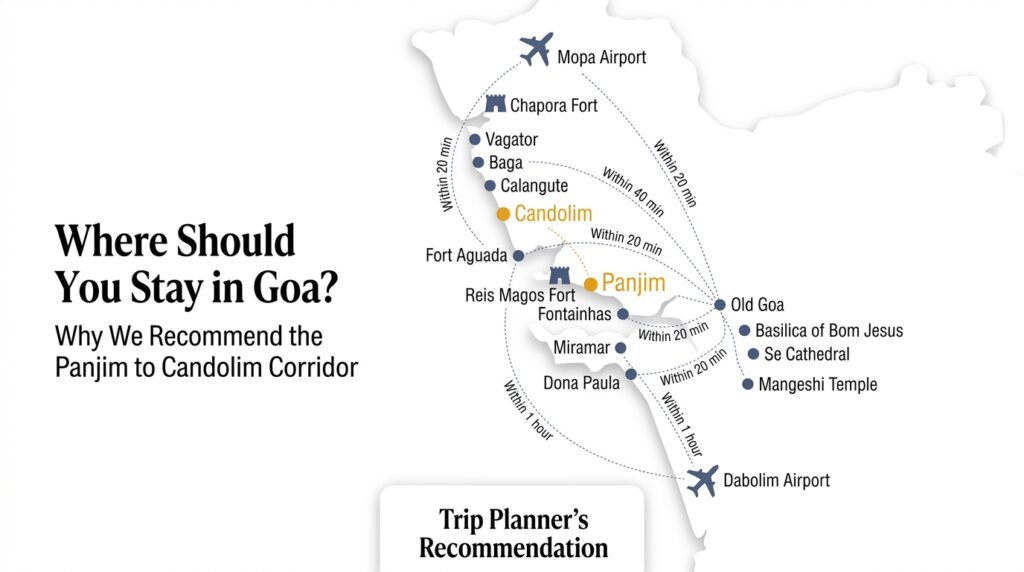
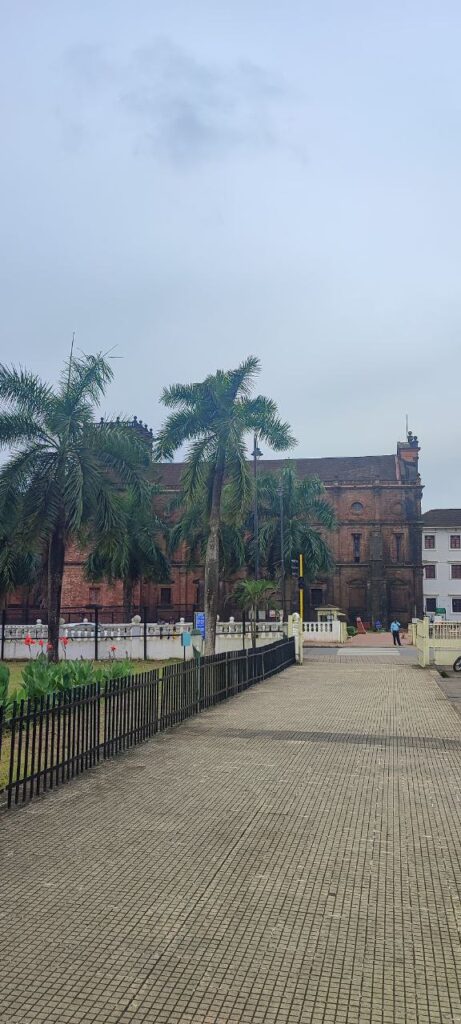
Where Should You Stay in Goa? A Local Guide for First-Time Visitors The best hotel doesn’t always create the best holiday. The right location does. Choosing where to stay is one of the biggest decisions on any Goa trip — bigger than which hotel you pick. At Top Goa Tours, we don’t recommend hotels first. We first understand what kind of holiday you want, then recommend the best area to stay. This guide will help you make that decision. Quick Answer First trip to Goa? Stay in the Panjim to Candolim corridor. It gives you the best balance of heritage, beaches, restaurants, cruises, culture, guided tours, shopping, nightlife, easy transport and access to both airports. HeritageBeachesRestaurantsCruisesCultural ExperiencesGuided ToursShoppingNightlifeEasy TransportBoth Airports North Goa vs South Goa A common assumption is that North Goa equals nightlife and South Goa equals peace. There’s some truth to that, but the reality is more nuanced. North Goa Ideal for travellers who enjoy exploring. Widest variety of experiences within short driving distances. Fontainhas & Old Goa Churches Fort Aguada & Reis Magos Fort Panjim, Miramar Beach, Dona Paula River cruises, heritage walks, boat experiences Food trails, shopping markets, nightlife Transport is easier and there’s plenty to choose from. First-time visitors usually do best here. South Goa Ideal if your priority is slowing down — beautiful beaches, spacious luxury resorts, a more relaxed pace. If your plan is exploring a different part of Goa every day, remember attractions are farther apart and you’ll spend more time travelling. Excellent choice if your holiday revolves around your resort, quieter beaches and relaxation. Our Recommendation for First-Time Visitors Stay somewhere between Panjim and Candolim. This location offers one of the best balances between convenience and variety, and sits between Goa’s two airports for straightforward transfers. Within about an hour you can comfortably explore: Fontainhas Old Goa Fort Aguada & Reis Magos Fort Miramar & Dona Paula Candolim, Calangute, Baga, Chapora Mandovi River cruises Heritage trails Mangrove boat ride at Chorao Island Which Area Suits Your Travel Style? Budget Makes a Difference Around ₹8,000/night: many South Goa luxury resorts offer exceptional value at this price point — larger rooms, private beaches, extensive facilities, a more peaceful atmosphere. Around ₹20,000/night and above: travellers with higher budgets often get excellent value from premium resorts. Instagram vs Reality Goa’s most photographed spots — Ashvem, Morjim, Agonda, Palolem — are beautiful, but beautiful doesn’t mean best-place-to-stay. If your plan is forts, heritage sites, markets, river cruises and guided experiences, you’ll spend more time driving from these areas. Choose an area because it matches your travel style, not because you’ve seen it on social media. Common Mistakes We See ×Booking accommodation before planning the itinerary ×Choosing a hotel based only on Instagram photos ×Underestimating travel times across Goa ×Staying too far from the experiences you actually want ×Assuming North Goa and South Goa are interchangeable Guided Experiences Near the Panjim – Candolim Corridor Fontainhas Heritage Walk Colourful Portuguese-era streets, storytelling and local flavour. Book This Walk → Old Goa Heritage Tour Historic churches and monuments from Goa’s Portuguese capital era. Explore Heritage Tours → Mandovi River Cruises Sunset cruises and private charters on the river that shaped Goa. See Boat Experiences → Mangrove Boat Ride at Chorao Island Slow, scenic backwater cruise through calm mangrove channels, minutes from Panjim. Book This Ride → Not Sure Which Area Fits Your Trip? Chat directly with a Top Goa Tours local expert on WhatsApp for a free recommendation. Chat with Local Concierge Frequently Asked Questions Is North Goa better than South Goa? Neither is objectively better — it depends on your travel style. North Goa suits explorers who want variety; South Goa suits travellers who want to slow down. Where should first-time visitors stay in Goa? The Panjim to Candolim corridor, for the best balance of heritage, beaches, restaurants and easy transport. Is South Goa only for luxury travellers? No — South Goa suits a range of budgets, and travellers with higher budgets often receive excellent value from its premium resorts. Should I split my stay between North Goa and South Goa? Worthwhile for a week or more. For shorter trips of three to five days, staying in one well-connected location usually means more time exploring and less time travelling. Is Goa expensive? Goa suits a wide range of budgets. Choose accommodation, experiences and transport that match your priorities rather than assuming the most expensive option is always best. Final Thoughts The best hotel doesn’t always create the best holiday. The best location usually does. Before booking accommodation, think about the experiences you want, how much time you have, and how much travelling you’re comfortable with. The right base helps you discover more of Goa while making your trip more relaxed and enjoyable. Need Help Choosing Where to Stay? Whether you’re looking for heritage, nature, culinary experiences, private boat charters or a fully custom itinerary, we’ll help you choose the right experiences and the right place to stay before you book. Chat on WhatsApp Explore Customized Tours Loved this guide? We post real trip photos, reels and behind-the-scenes moments from Goa on Instagram — follow along for more. Follow @topgoatours on Instagram

Person walking across a green grassy field under a cloudy sky
Goan Food, Cafes & Culinary Trails

Is Goa Closed During the Monsoon? The Truth About Visiting Goa in the Rainy Season

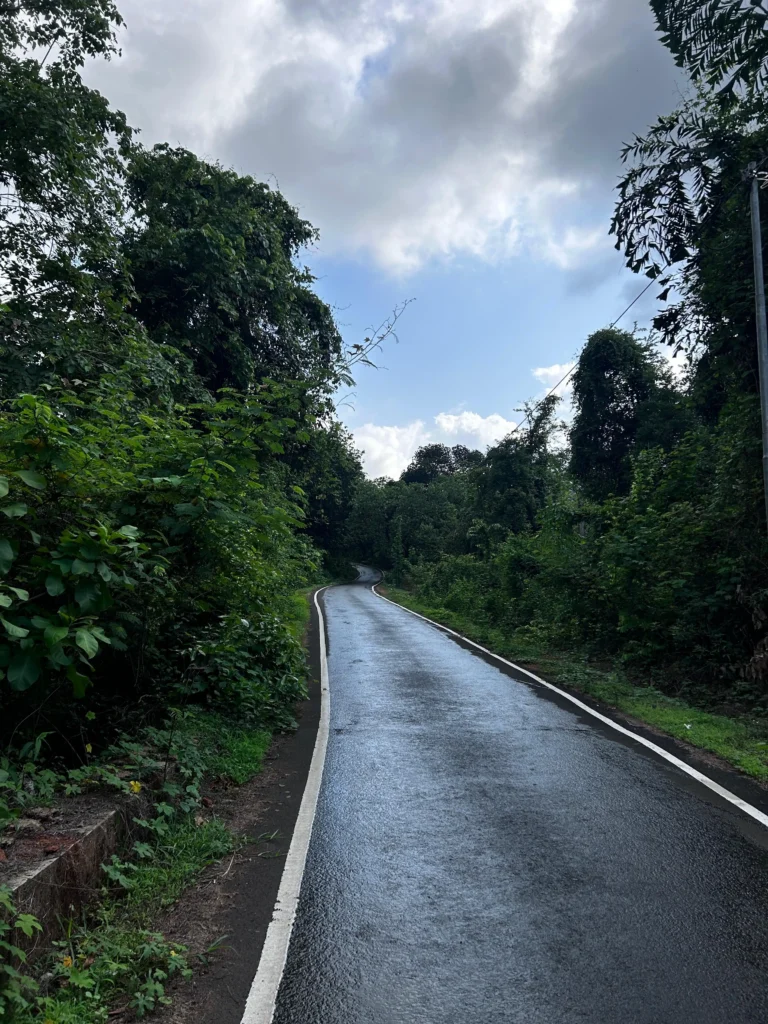
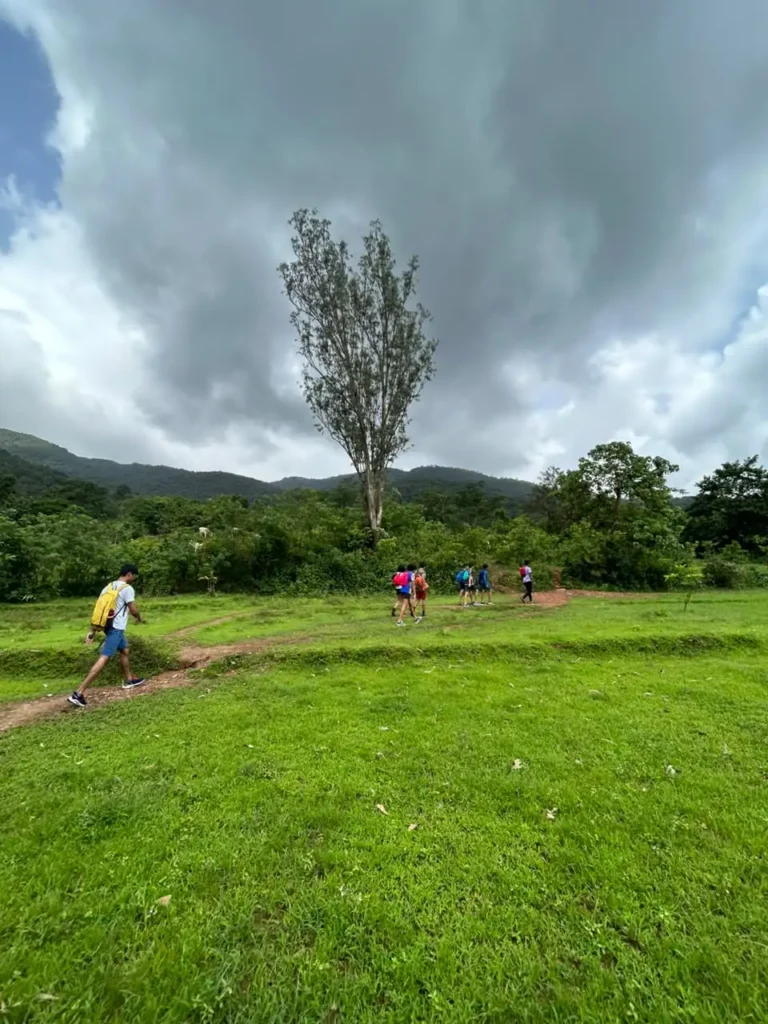
Goa Travel Guide Is Goa Closed During the Monsoon? The Truth About Visiting Goa in the Rainy Season Many Travellers Think Goa Shuts Down During the Monsoon. The Reality Is Very Different. One of the most common questions we receive at Top Goa Tours is: “Is Goa worth visiting during the monsoon?” The answer is yes, but it depends on the kind of holiday you’re looking for. Many people hear that the beach shacks close and immediately assume Goa shuts down for four months every year. In reality, only a small part of Goa’s tourism changes. While the sea becomes rough and most sea-based activities pause for safety reasons, the rest of Goa transforms into one of the most beautiful destinations in India. The forests become lush, waterfalls come alive, village roads turn emerald green, rivers overflow, and the pace of life becomes slower and more relaxed. If you’re willing to explore beyond the beaches, the monsoon reveals a side of Goa that many visitors never experience. 📌 Goa During the Monsoon at a Glance Season June to September Weather Heavy rainfall, high humidity, lush greenery, cooler evening temperatures Beach Shacks Closed (Dismantled for monsoon) Swimming in Sea Not recommended (Rough seas & strong currents) Best Activities Waterfall treks, nature trails, heritage village walks, river cruises, local food exploration Best For Nature lovers, photographers, couples, peace seekers, slow travel What Happens to Goa During the Monsoon? The monsoon in Goa typically lasts from June to September. During these months, the state receives heavy rainfall brought by the South-West monsoon winds. Because Goa is famous for its beaches, many first-time visitors assume that bad beach weather means the entire state is closed. That is not the case. Here is what actually changes: What Stays Open? Hotels & Resorts: Most luxury resorts, boutique hotels, and homestays remain open and often offer significant off-season discounts. Restaurants & Cafes: Permanent restaurants, heritage cafes, and bars operate normally. Inland Experiences: River cruises, spice plantation tours, heritage walks, and wildlife sanctuary trails remain active throughout the season. Weather Dependent Outdoor trekking routes during heavy downpours Ferry crossings during temporary squalls E-bike and cycling village tours Outdoor photography shoots What Closes? Beach Shacks: Temporary structures on the beach are dismantled by law before the monsoon begins. Water Sports: Jet skis, parasailing, and banana boat rides pause due to dangerous sea conditions. Sea Swimming: Lifeguards put up red flags across most beaches because of high waves and strong rip currents. Summer Goa vs Monsoon Goa 🏖️ Beaches ☀️ Summer / Fair Weather (Oct – May) Perfect for swimming, beach shacks & relaxing 🌧️ Monsoon (June – Sept) Great for scenic walks & photography. Swimming not recommended. 🌊 Water Sports ☀️ Summer / Fair Weather (Oct – May) Fully operational 🌧️ Monsoon (June – Sept) Closed due to sea conditions ⛵ Private Yacht Cruises ☀️ Summer / Fair Weather (Oct – May) Sea & river cruises available 🌧️ Monsoon (June – Sept) River cruises continue (see Boat Cruises). Sea charters do not operate. 💦 Waterfalls ☀️ Summer / Fair Weather (Oct – May) Limited flow in many locations 🌧️ Monsoon (June – Sept) At their most spectacular (see Forest Waterfall Hike). 🌲 Forest Experiences ☀️ Summer / Fair Weather (Oct – May) Good 🌧️ Monsoon (June – Sept) One of the best seasons to explore 🦜 Birdwatching ☀️ Summer / Fair Weather (Oct – May) Excellent for spotting migratory & resident birds 🌧️ Monsoon (June – Sept) Forest wildlife is vibrant, though birdwatching is better in dry season. 🏛️ Heritage Walks ☀️ Summer / Fair Weather (Oct – May) Excellent 🌧️ Monsoon (June – Sept) Excellent, with cooler weather making walks more comfortable (see Fontainhas Walk). 🏡 Village Experiences ☀️ Summer / Fair Weather (Oct – May) Beautiful throughout the year 🌧️ Monsoon (June – Sept) Particularly scenic with lush fields & misty landscapes (see Chorao Island Tour). 🍲 Local Food ☀️ Summer / Fair Weather (Oct – May) Seasonal summer produce 🌧️ Monsoon (June – Sept) Seasonal monsoon vegetables, festive dishes & traditional recipes. ✨ Atmosphere ☀️ Summer / Fair Weather (Oct – May) Lively and energetic 🌧️ Monsoon (June – Sept) Peaceful, refreshing & ideal for slow travel. “The coastline becomes quieter. The hinterland comes alive.” Why Visit Goa in the Monsoon? The Best Things to Experience 1. Emerald Countryside & Paddy Fields During the monsoon, Goa’s inland countryside turns vivid emerald green. Driving through villages like Saligao, Aldona, and Chorao reveals overflowing rivers, mist-covered hills, and lush paddy fields. 2. Roaring Waterfalls & Forest Trails Goa’s waterfalls reach peak flow during the rainy season. Beyond the famous Dudhsagar, hidden waterfalls nestled inside the Western Ghats offer serene nature walks and forest trails surrounded by dense canopy. 3. Peaceful Heritage Walks Rainy days add a nostalgic charm to Goa’s historic Latin Quarter (Fontainhas) and Old Goa. Walking past colorful Portuguese-era homes under an umbrella is one of the most relaxing monsoon experiences. 4. River Cruises & Backwater Trails While open-sea navigation is restricted, inland backwaters and Mandovi river cruises continue operating, offering breathtaking perspectives of rain-washed mangroves and birdlife. 5. Authentic Goan Food & Local Culture Monsoon afternoons are perfect for relaxing at local cafes or heritage eateries with hot Goan tea, local snacks, and slow-cooked traditional seafood curries. Who Should (and Shouldn’t) Visit Goa in the Monsoon? Who Will Love Monsoon Goa: Nature lovers and photographers wanting lush green landscapes Couples looking for a quiet, romantic escape Travelers seeking luxury resorts at discounted off-season rates Anyone wanting to experience authentic Goan village life without crowds Who Might Want to Avoid It: Travelers wanting a sun-and-sand beach vacation Party-centric tourists expecting night beach shacks Visitors looking for water sports or sea swimming Practical Tips for Visiting Goa in the Monsoon What to Pack: Bring quick-dry clothing, sturdy waterproof footwear/sandals, raincoats or large umbrellas, and mosquito repellent. Getting Around: Private taxis or rented self-drive cars are far more comfortable than scooters during heavy downpours. Accommodation Strategy: Choose

Skipper at the helm of a yacht on a wide river, with a small speedboat of guests nearby
Goan Food, Cafes & Culinary Trails

10 Goa Trip Planning Mistakes We See Every Week (And How to Avoid Them)

10 Goa Trip Planning Mistakes We See Every Week (And How to Avoid Them) The most common planning mistakes we see — and simple ways to avoid them. Every week, we talk to travellers who’ve made small planning mistakes that quietly affected their trip. None of these are dramatic errors — but they add up to a less enjoyable holiday. Here are the ten we see most often, and what to do instead. 1 Booking Accommodation Before Planning the Itinerary Many travellers book a hotel first and plan activities around it. This often leads to longer travel times between experiences and less flexibility. Decide roughly what you want to do first, then choose a base that keeps you close to it — see our guide to choosing where to stay. 2 Underestimating Travel Times Goa looks small on a map, but travel between North and South Goa, or between the coast and the hinterlands, can take longer than expected — especially in peak season traffic. Build in buffer time rather than back-to-back plans. 3 Assuming Monsoon Means Goa Is Closed Monsoon transforms Goa rather than shutting it down. Sea-based activities pause, but heritage, food, forest and village experiences continue — and the landscape becomes genuinely stunning. Read our full guide to visiting Goa during monsoon. 4 Overpacking the Itinerary Trying to fit in too many attractions each day leaves little room to actually enjoy them. A slower pace with fewer, well-chosen experiences almost always makes for a better trip — especially for first-time visitors. See our itinerary guide for a realistic pace. 5 Booking With Operators You Haven’t Verified Before booking any activity, it’s worth checking a few basics: Google reviews Recent customer feedback Original photos and videos Active social media presence Clear contact information If every photo looks overly polished or artificially generated, ask more questions before making a payment. Trust operators who are transparent about what is and isn’t included. Free 5-Minute Trip Audit Unsure if your current Goa itinerary is realistic? Chat directly with a Top Goa Tours local expert on WhatsApp for free feedback before you book. Chat with Local Concierge 6 Choosing Activities Because They’re Popular Not every famous activity is right for every traveller. Consider what genuinely interests you — heritage, nature, food, adventure — rather than just ticking off the most-photographed spots. Seasonal beauty is often worth discovering too: lush hinterlands, khazan systems, and island life beyond the beach. 7 Not Exploring Beyond the Coastline Goa’s beaches are only part of the story. Heritage walks, backwater cruises, forest hikes and village experiences reveal a side of Goa most visitors never see — explore our guide to things to do in Goa beyond the beaches. 8 Depending on a Single Recommendation Whether advice comes from a friend, a hotel, or someone you meet locally, it’s always worth comparing it with other reliable sources. Different people have different perspectives and priorities. Take a few minutes to compare reviews, ask questions, and understand why an experience is being recommended. The more informed your decision, the better your trip is likely to be. 9 Planning Experiences That Are Too Far Apart We’ve seen itineraries where guests plan a North Goa morning and a South Goa evening on the same day. Group experiences by area where possible, and treat farther-flung destinations as their own half-day or full-day plan. 10 Not Asking for Local Input Early Enough Many travellers only reach out for advice once something’s already gone wrong. Getting local input while you’re still planning — not after you’ve booked — is the easiest way to avoid most of these mistakes altogether (explore our curated luxury experiences in Goa). Planning a Premium Goa Holiday? At Top Goa Tours, we help travellers design personalised itineraries based on their interests, travel style, season, and where they’re staying. Whether you’re travelling as a couple, with family, or with friends, a well-planned itinerary will almost always leave you with better memories than a rushed checklist of attractions. If you’re unsure where to start, speaking with someone who knows Goa well can make all the difference. Let’s Plan Your Custom Authentic Goa Itinerary Connect directly with our local travel experts on WhatsApp for personalised recommendations, private charters, and zero tourist traps. Speak to a Local Concierge Explore Customized Tours Loved this guide? We post real trip photos, reels and behind-the-scenes moments from Goa on Instagram — follow along for more. Follow @topgoatours on Instagram

Follow us for real Goa moments
Scroll to Top